Home
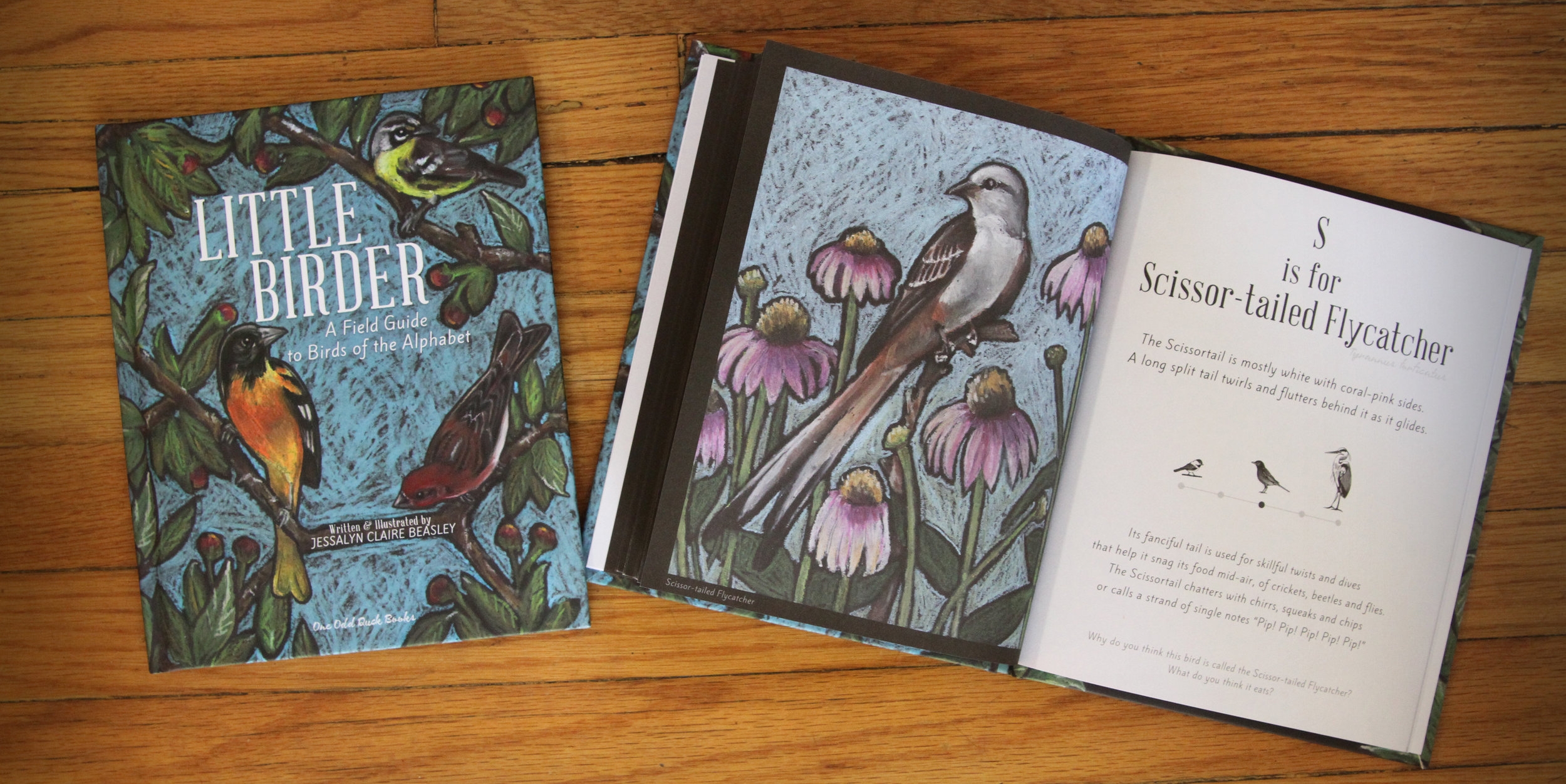
Jessalyn Claire Beasley is the author and illustrator of the new children’s book, Little Birder: A Field Guide to Birds of the Alphabet. Little Birder is a non-fiction children’s book about birds. Little Birder is more than a way to learn the alphabet. It invites little birders to enter the world of observing nature though birds, art, and easy to digest facts.
Little Birder introduces twenty-six birds, one for each of letter of the alphabet, with bold illustrations and playful descriptions that together capture the essence of each bird. Layered in the pages are various levels of opportunity to observe, learn, and question that make this a nature book with a shelf-life that is as long as a child’s early years.
This field guide for little birders, complete with delightful descriptions and bird sounds, relative size guide, bold and gorgeous illustrations, and even a birdwatcher’s journal and instructions for “how to draw a bird,” makes bird watching and learning fun and exciting together at home, in the classroom, or in the field!
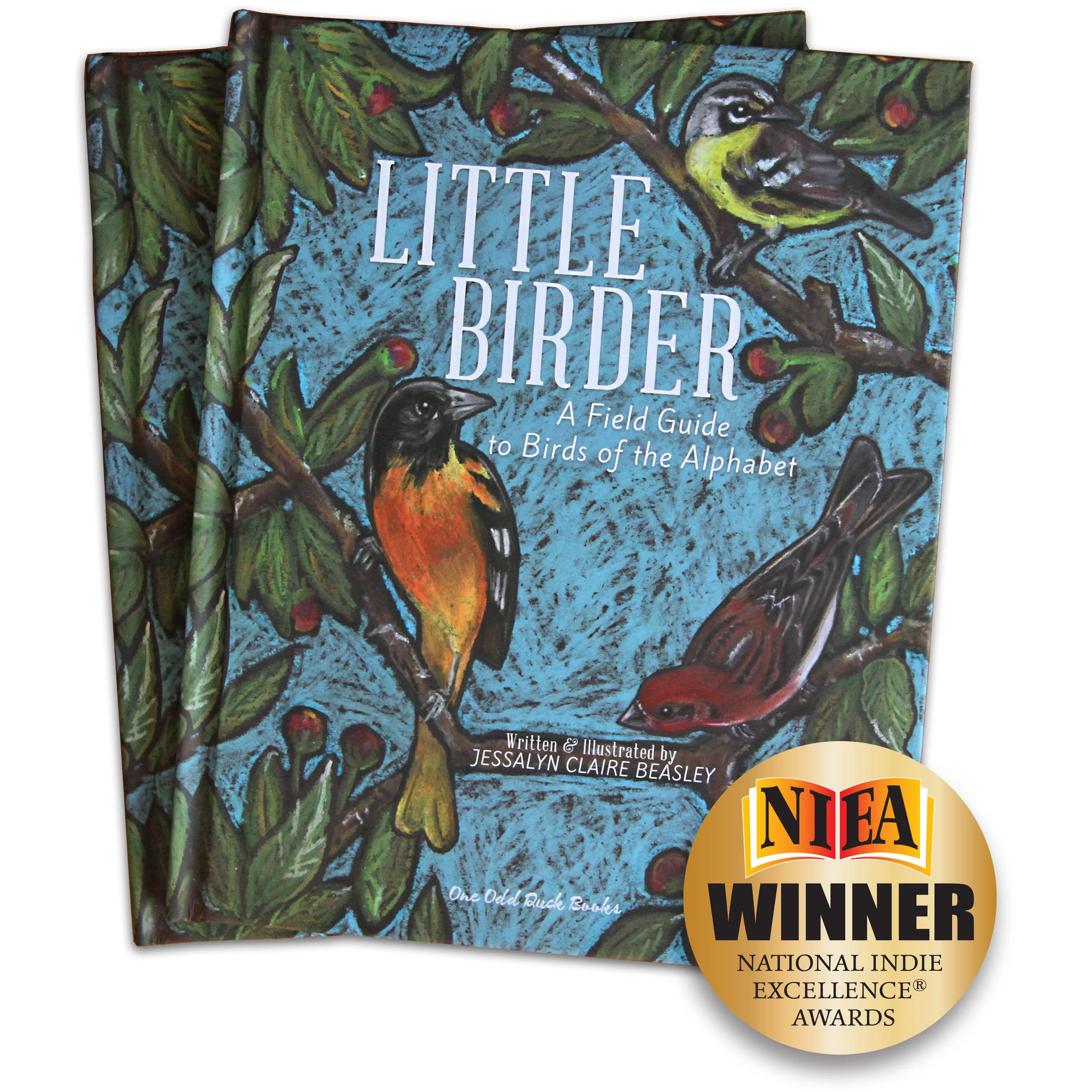
LITTLE BIRDER
A Field Guide to Birds of the Alphabet
On sale now!
Get your copy of the award-winning children’s book by Jessalyn Claire Beasley.
BLog Posts
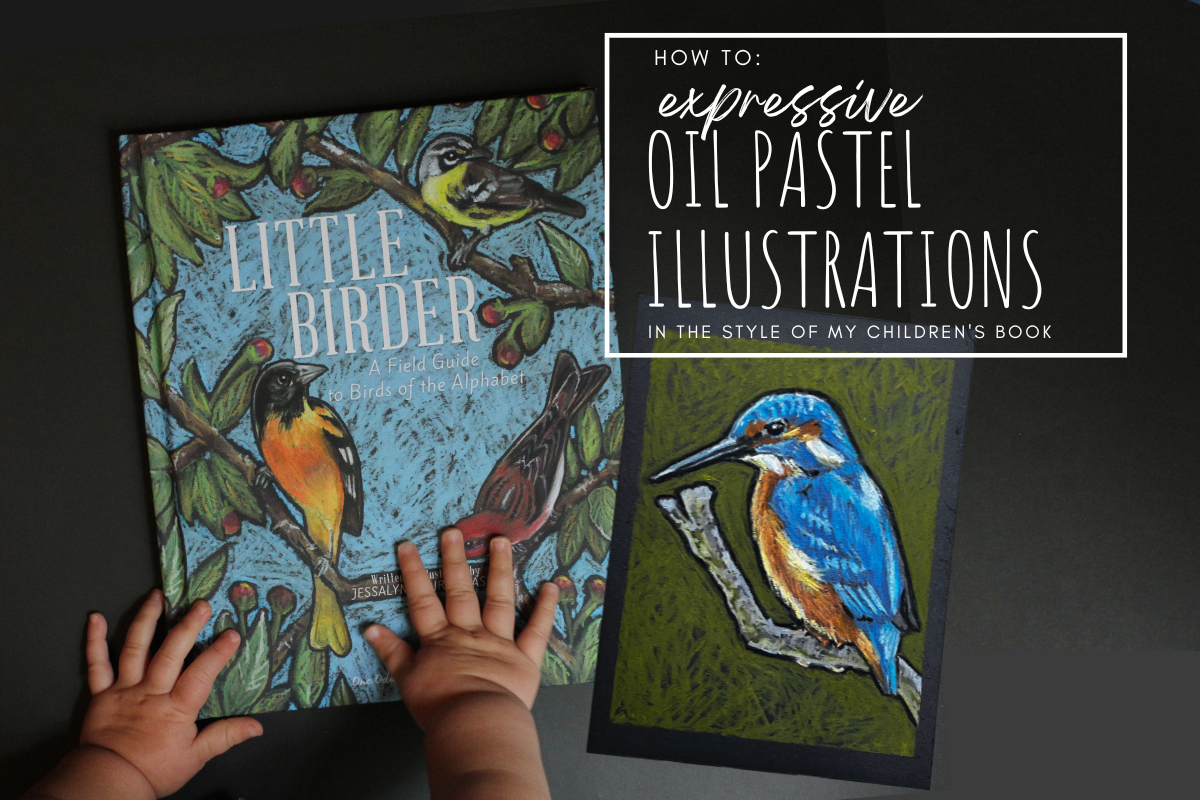
Do you want to use oil pastels but don’t know where to start? In this tutorial I will walk you through the steps to illustrate an oil pastel bird (or any subject matter) in the style of my children’s book “Little Birder: A Field Guide to Birds of the Alphabet”. This stye is bright and impactful and makes the most of oil pastel’s appealing qualities, but it does not require perfection or years of mastery and can be painted in a relatively short time.
This is a great place to start your oil pastel journey or continue to develop your own style using the versatile medium of oil pastels.
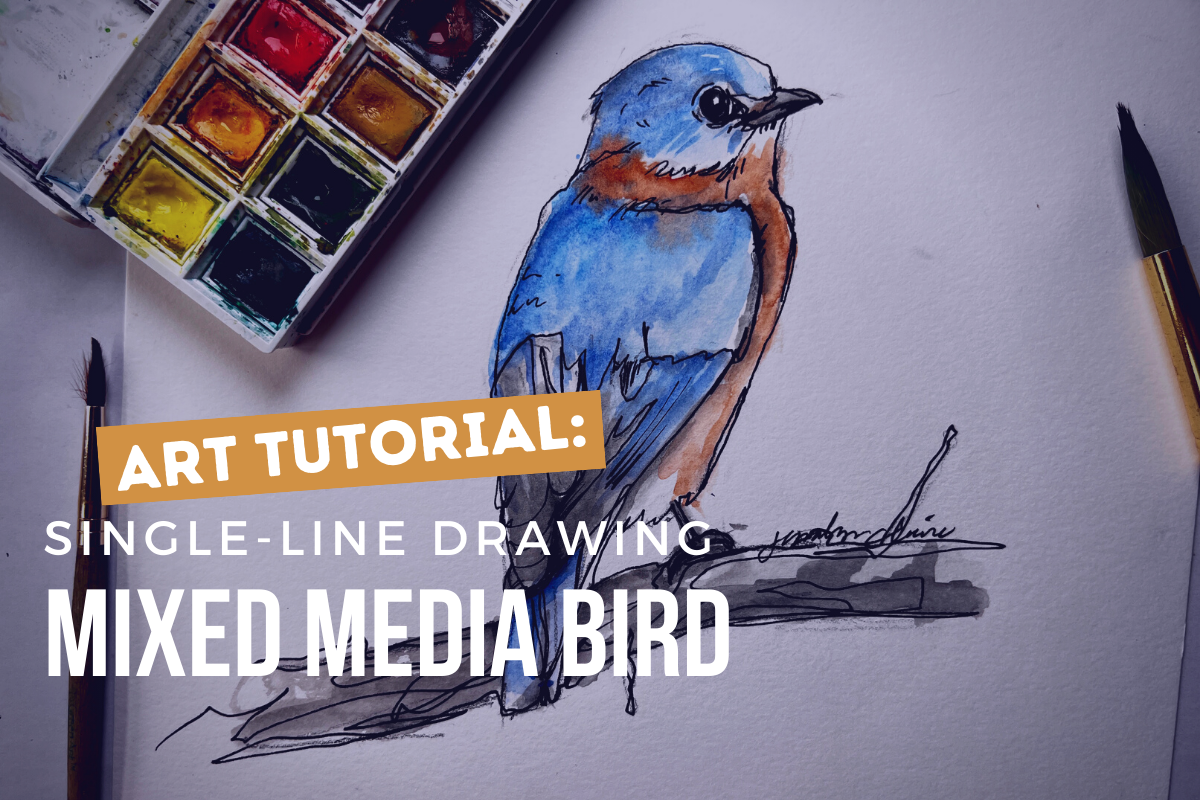
Do you struggle with creating art that feels exciting and expressive? Do you feel the need to create something beautiful but you haven’t quite mastered the mediums?
Let me show you a simple and effective style of mixed media art that will help when your artwork starts to feel dull. Today we will use pen, ink wash, and watercolor to practice the skill of expressive markings and relaxed style with exciting results.
Let me show you a simple and effective style of mixed media art that will help when your artwork starts to feel dull. Today we will use pen, ink wash, and watercolor to practice the skill of expressive markings and relaxed style with exciting results.
Have you ever found yourself doodling during a presentation, or coloring the table with the kids meal crayons while you wait for your food? Then you’ve probably experienced the therapeutic benefit of art whether you realized it or not. The process of making art is already inherently relaxing, grounding, and helpful for calming the mind. Today’s post is a short list of art supplies that offer an extra-sensory experience, beyond art’s normal healing benefits. Most of the supplies in this list focus on the sense of touch, like the unbelievably satisfying sensation of the material gliding across the paper, or the bumpy feeling of the marks under the finger after they dry. These are great for the sensory-specific children among us, but your child does not have to have a special sensory need to benefit from the extra boost of these art materials… for that matter, neither do you.
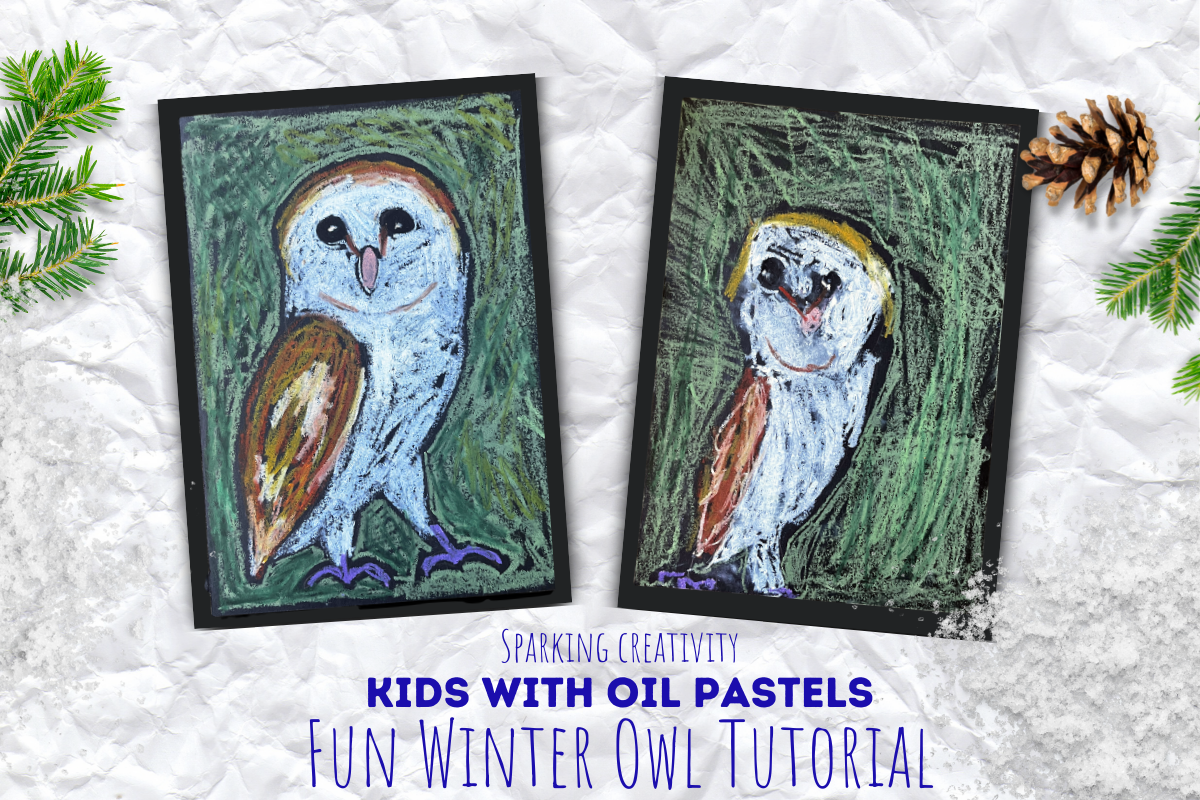
This style is intentionally imperfect but the defining features of the bright oil pastels, with heavy black outlines, created by expressive markings on black paper is like an elevated version of the crayon scribbles we all know and love. It is amazing how this small change from crayons to oil pastels, white to black paper, and some intentional black outlines will create stunningly eye-catching artwork from the same little hands that brought you that lovely chicken-dog blob that has been hanging on the fridge since it came home from school on Father’s Day.
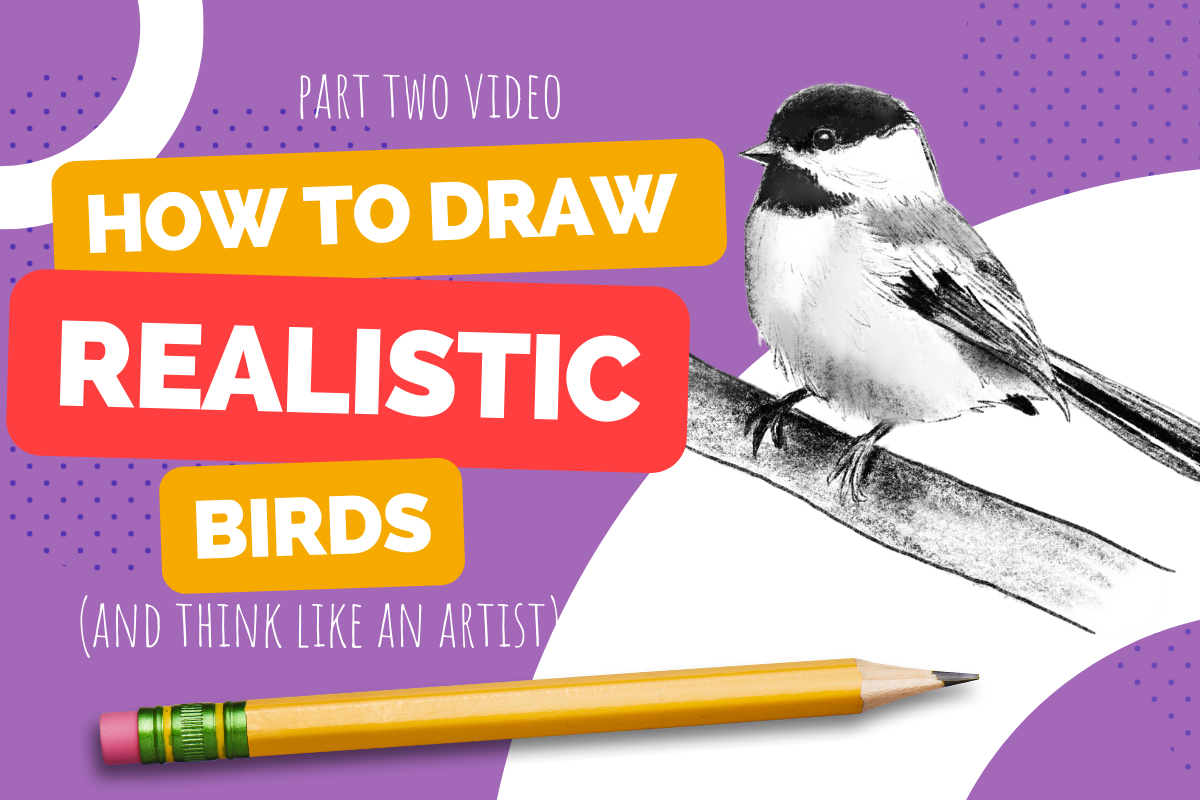
Do you have a child that wants to be an artist or learn to draw? This is the guided-drawing video of a Black-capped Chickadee. A free video lesson from my class How to Draw Realistic Birds (and Think Like an Artist) on Outschool.com
If you haven’t watched the part-one learning video, find it here.
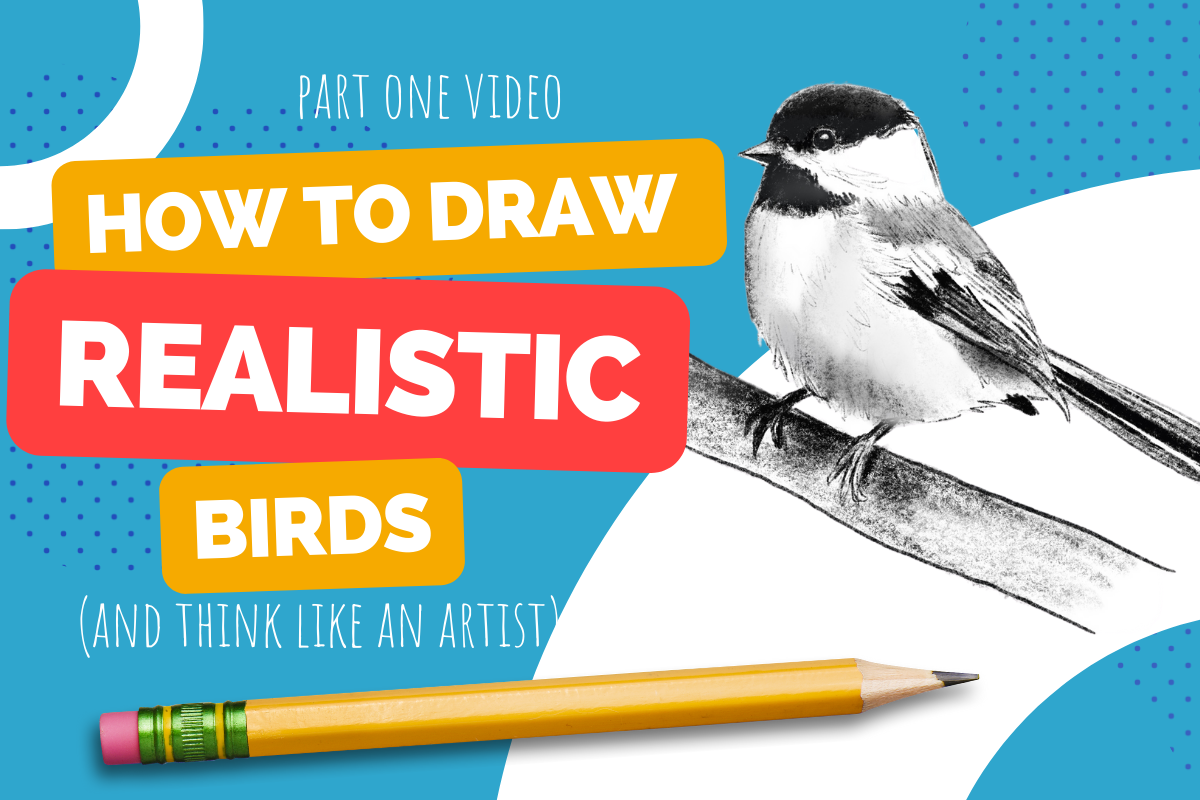
Do you have a child that wants to be an artist or learn to draw? In this post I share the first video from week one of my How to Draw Realistic Birds (and Think Like an Artist) class on Outschool.com
Keep reading to learn more about learning on Outschool and find the free learning video.
Some people might tell you that Procreate is too advanced for kids, especially young kids. They would be right— if you’re expecting your child to master the software and use it to its maximum potential. Consider that most adults only have a partial grasp of the potential of the Procreate app, even those of us who use it nearly every day. While true, it shouldn’t be the deciding factor. You could opt for something “made for kids”, or you can expose your little one to the real-deal creative software that is made for artists— with the understanding that just like any medium you give them (crayons included), mastery of the medium is not required for it to be worthwhile. With the right supervision and guidance, everything they can do on paper, they can do digitally. It is boundless creativity and a great way to practice their motor-skills. And the cool thing is that you can do it with smaller environmental impact (so much less paper waste.)
If you’re like me and you want to find a way to make your kids’ Christmas feel magical, but with a little more life enrichment and a little less nonsense— good news, a little thought on the front end can make the obligatory seasonal spending an opportunity to bring value to our kids lives.
Good news, I’ve done the thinking for you. Below are 5 creative Christmas idea (for creative kids) that aren’t toys.
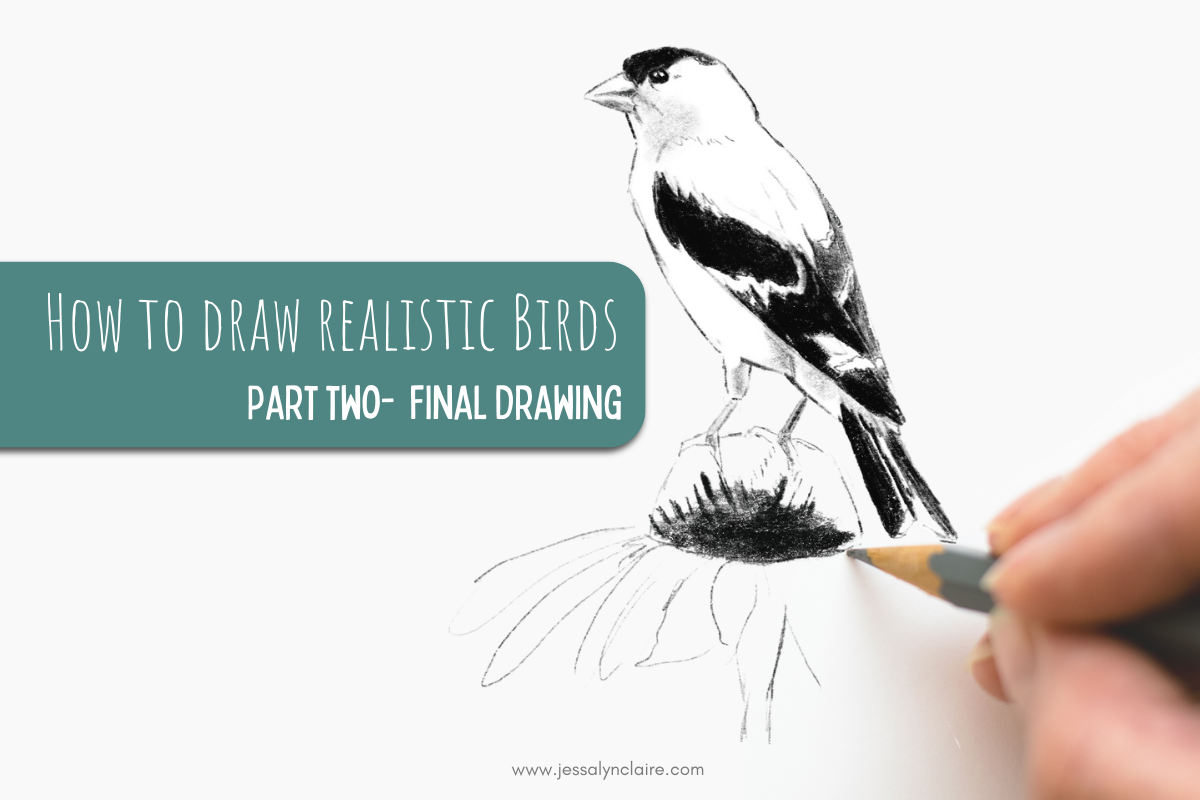
Let’s pick up where we left off…
When I talk about the two different stages of a drawing, I will often refer to the sketch stage as the “thinking part” and the drawing stage as, “the artistic part”, because that is essentially what they are. The sketch is the stage of a drawing that forces you to slow down, use your brain as you measure and study and adjust until your drawing is as accurate as possible.
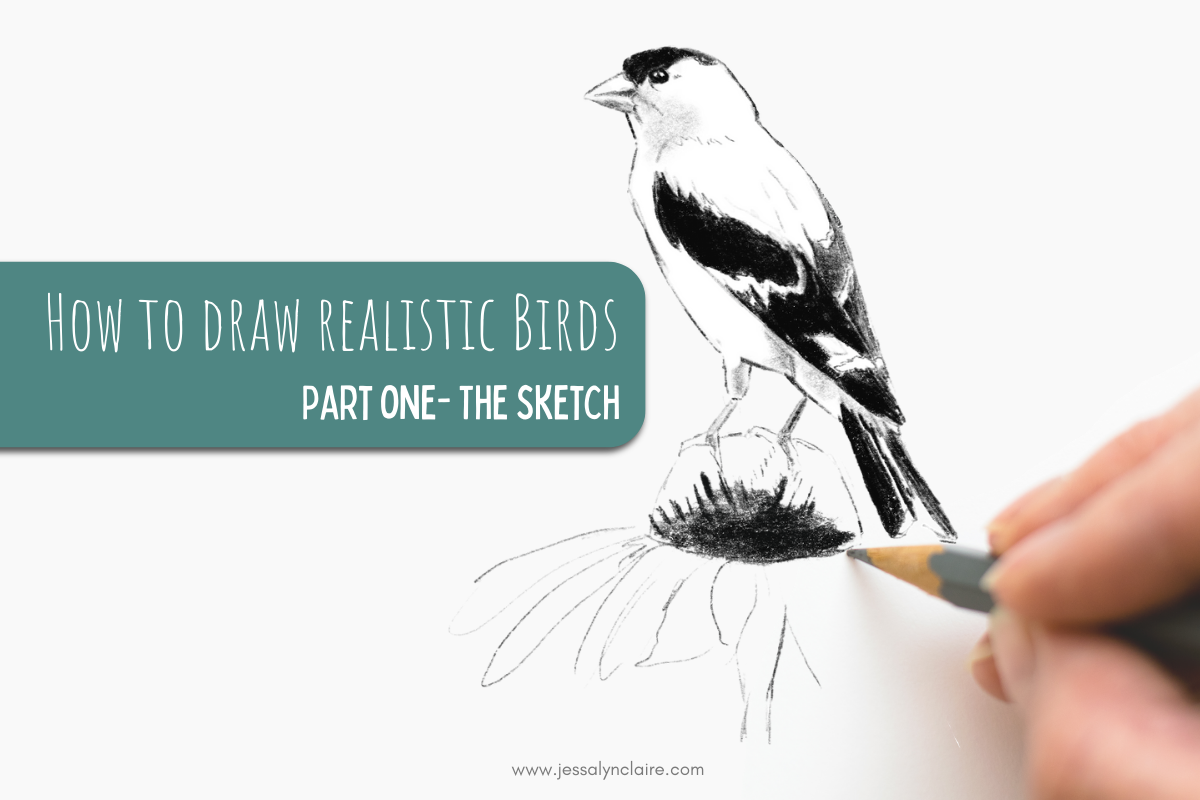
Drawing skills are the foundation of any art practice. Knowing how to draw opens a world of possibilities on which to build your creativity. That is because the basis of great drawing skills is observation. In order to draw well (realistically), we have to draw accurately. Drawing accurately means obeying the rules of nature, tapping into the way the brain works, and knowing where it sometimes steers us wrong.
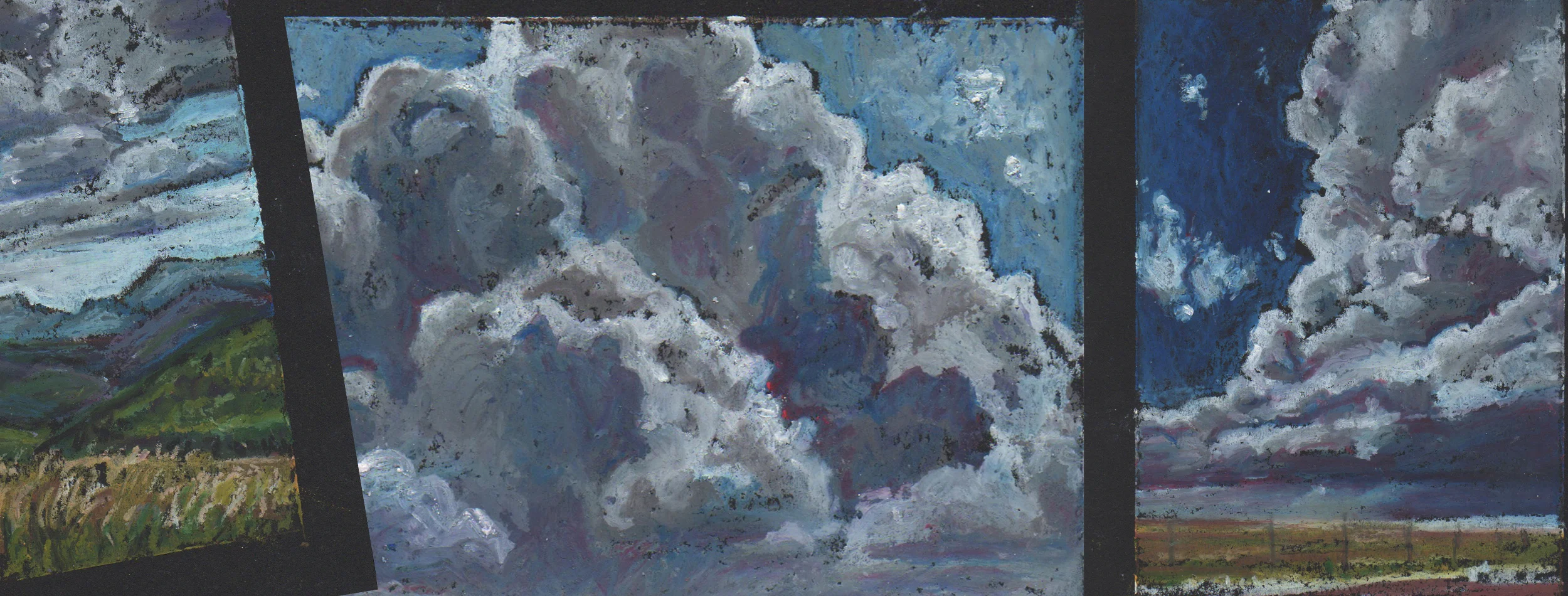
It may not seem like it, but I DO paint things other than birds and wildlife. In fact, until recent years I almost exclusively worked in portraits or figurative work. I really can’t explain the shift, except with the notion that change is the nature of life. I recently took a short break from wildlife to create a mini landscape in a vertical orientation. Something quick, something different, something filling. I became addicted to working in the narrow framing of a vast scene and on the bite size canvas that forced expressive strokes and letting go of detail. Within the week I had a pile of mini landscapes.
Oil pastels are an exciting and versatile art medium. Their convenient versatility can be the aspect of oil pastels that make them confusing to beginners. There are more than a few ways to use oil pastels. Which way is the right way?
The good news is, one of the greatest freedoms in art is that we are not bound to use the mediums in the same way others use them, or for that matter, how they’re intended to be used.
If you can get comfortable with that, then you can have endless success in oil pastel. This post is about making the most of the oil pastel’s ability to be loose, expressive and imperfect. I will introduce you to the benefits of oil pastel in its loose form. At the end of the post you can find the link to an oil pastel tutorial in the style of my children’s book illustrations.