Recent Blog Posts
All Blog Posts
Looking for something specific? Try searching here.
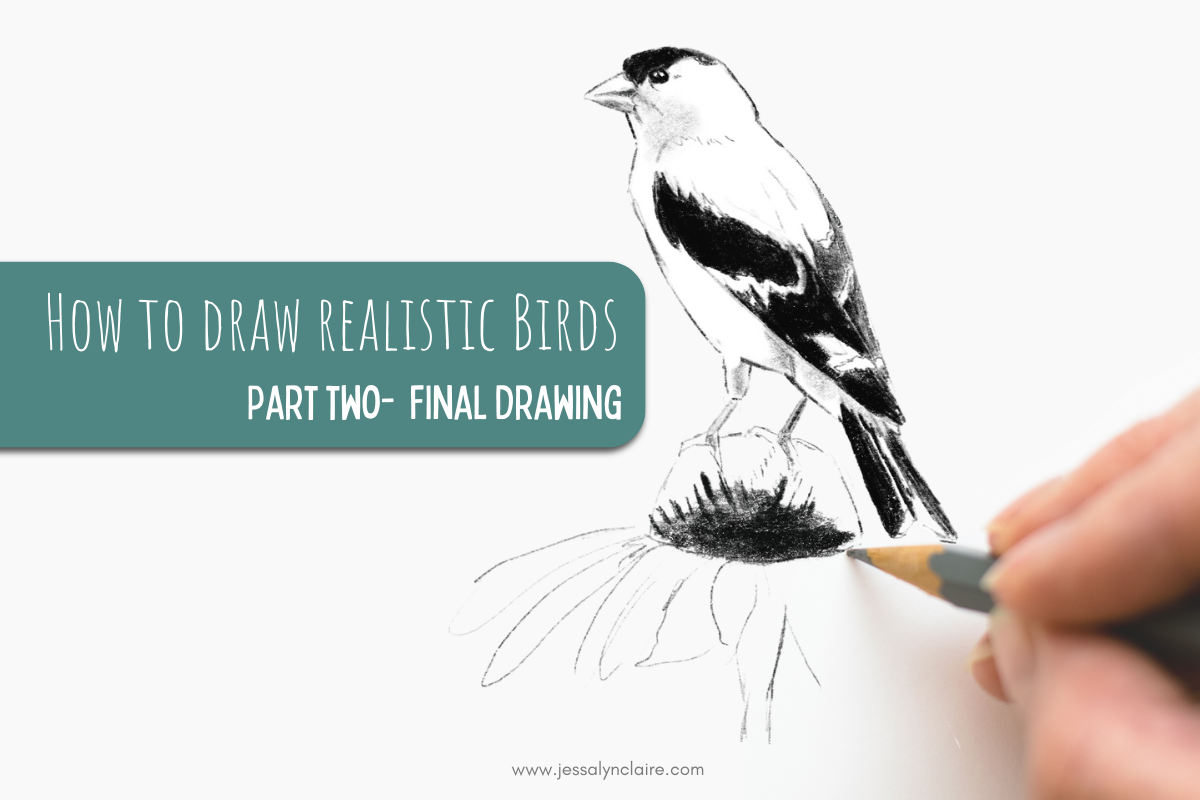
Let’s pick up where we left off…
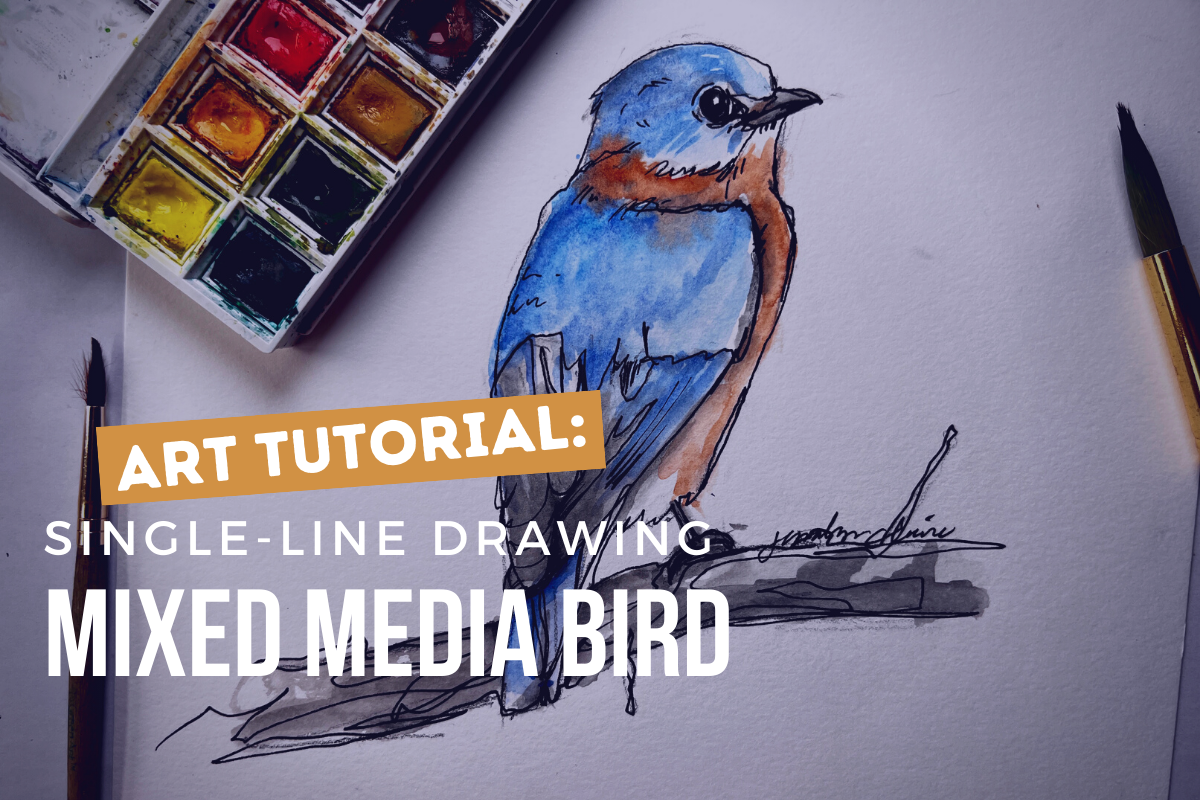
When I talk about the two different stages of a drawing, I will often refer to the sketch stage as the “thinking part” and the drawing stage as, “the artistic part”, because that is essentially what they are. The sketch is the stage of a drawing that forces you to slow down, use your brain as you measure and study and adjust until your drawing is as accurate as possible.
Read MoreThere is something sneaky going on in the online book market. Whatever it is, Amazon may be in on it.
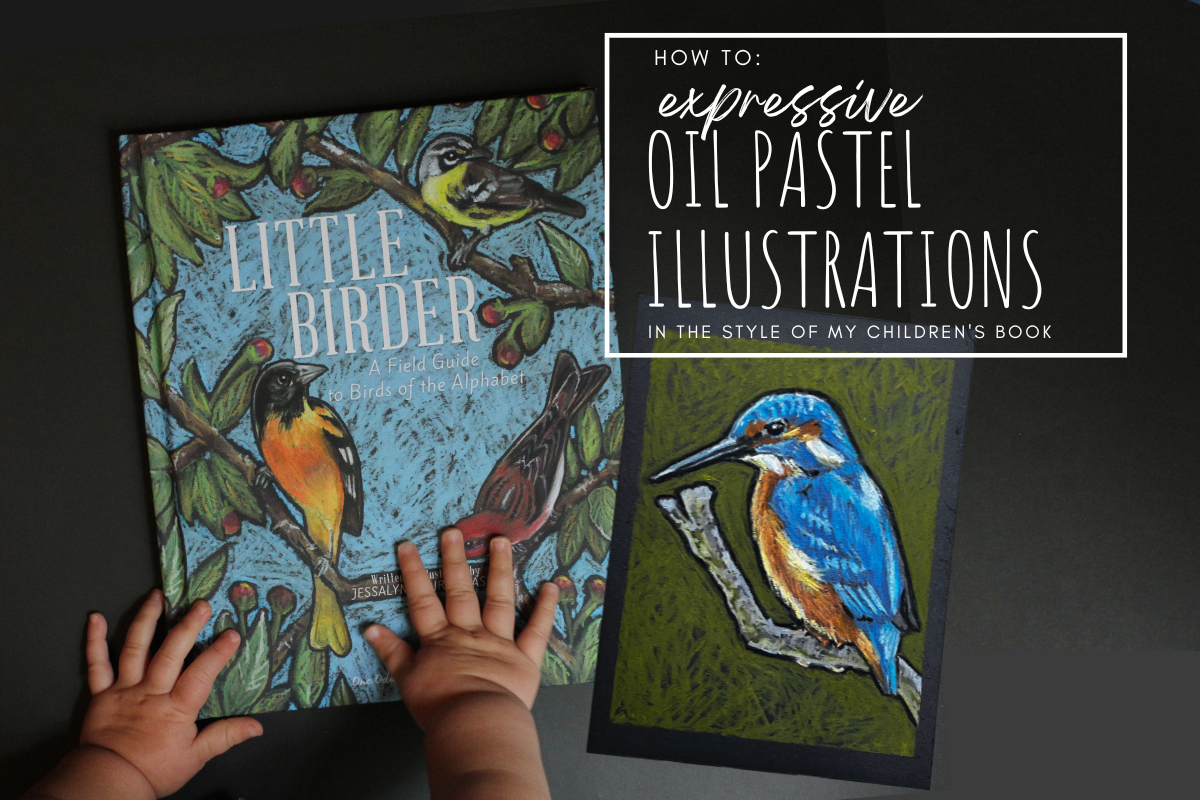
I recently self published my first children’s book, Littler Birder: A Field Guide to Birds of the Alphabet, using IngramSpark’s print on demand self publishing service. By doing so, my book is available on major retailers websites like Barnes and Noble or Amazon. It was one of the major reasons I decided to use IngramSpark’s service. But now I’m wondering, is the potential cost of selling my book on Amazon worth the potential gain?
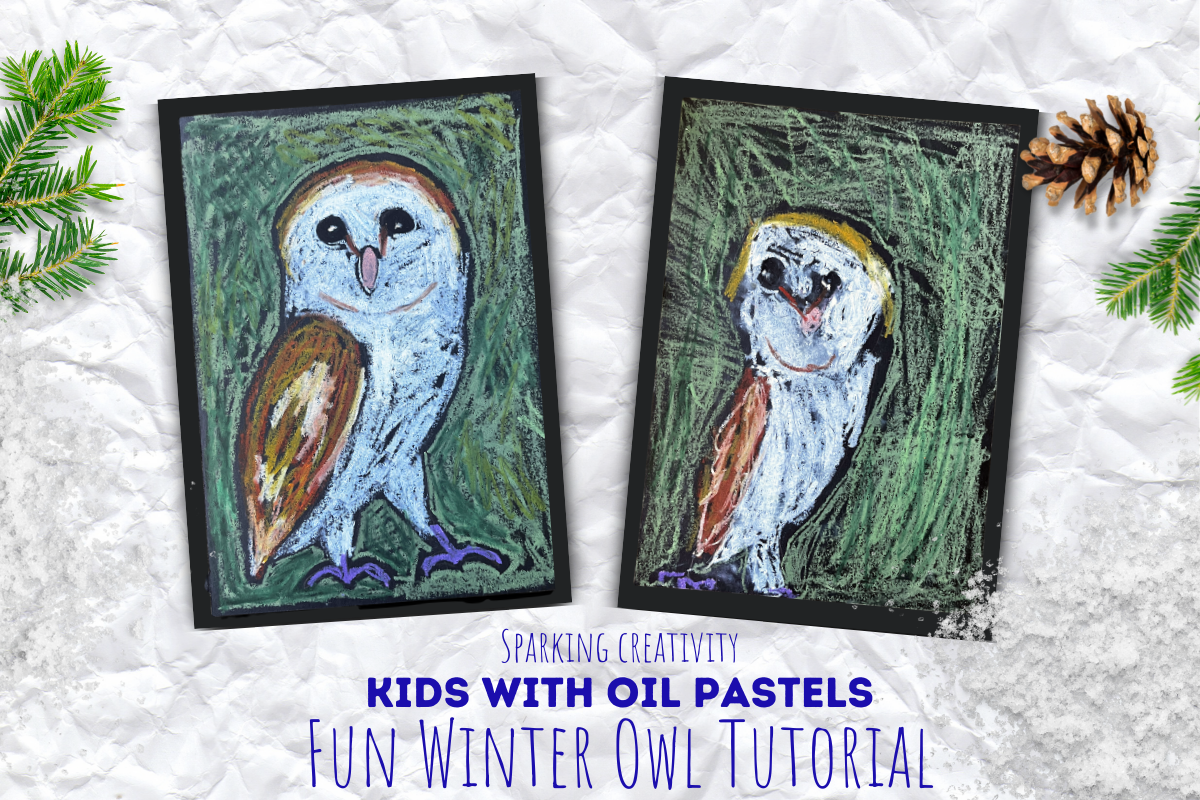
Oil pastels are an exciting and versatile art medium. Their convenient versatility can be the aspect of oil pastels that make them confusing to beginners. There are more than a few ways to use oil pastels. Which way is the right way?
The good news is, one of the greatest freedoms in art is that we are not bound to use the mediums in the same way others use them, or for that matter, how they’re intended to be used.
If you can get comfortable with that, then you can have endless success in oil pastel. This post is about making the most of the oil pastel’s ability to be loose, expressive and imperfect. I will introduce you to the benefits of oil pastel in its loose form. At the end of the post you can find the link to an oil pastel tutorial in the style of my children’s book illustrations.